
How Advanced Composite Materials are Redefining Performance Where Steel and Traditional Polymers Fall Short
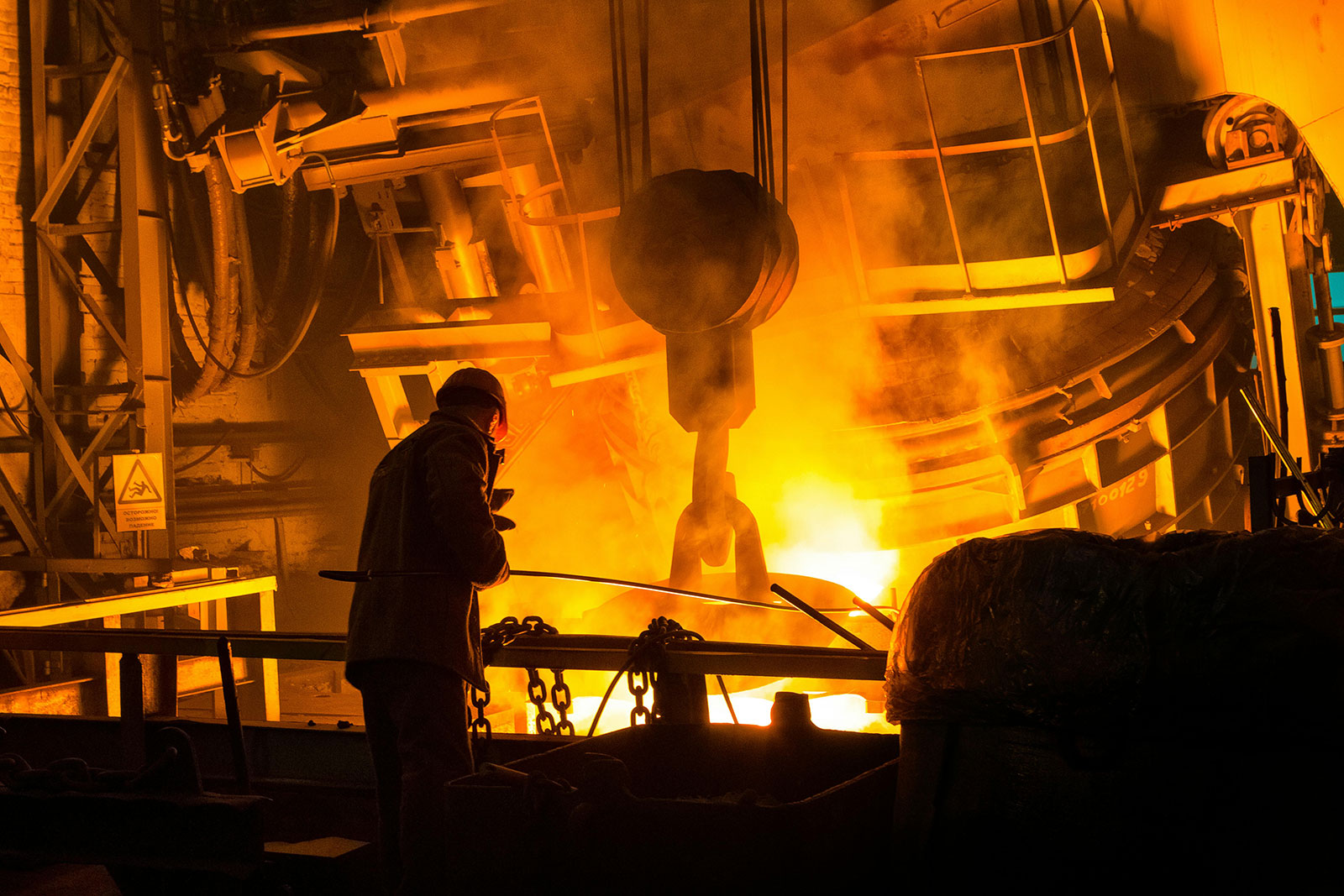
Industrial equipment does not operate in ideal conditions. Bearings and bushings are routinely exposed to elevated temperatures, heavy loads, shock, vibration, and environments where lubrication is inconsistent or unavailable. In many of these applications, traditional steel bearings and bronze bushings reach their limits faster than expected, leading to wear, maintenance challenges, safety issues, and unplanned downtime.
As OEMs push equipment harder and expect longer service life with fewer maintenance windows, material selection has become a critical design decision. High-temperature composite materials are increasingly specified in applications where metals struggle to deliver consistent performance. Among these materials, TA400 represents a new class of engineered composites designed specifically for demanding thermal and mechanical environments.
This insight examines how TA400 performs, why it was developed, and where it fits into modern bearing and bushing applications, with explanations that balance technical depth and practical understanding.
High-Temperature Performance Matters in Bearings and Bushings
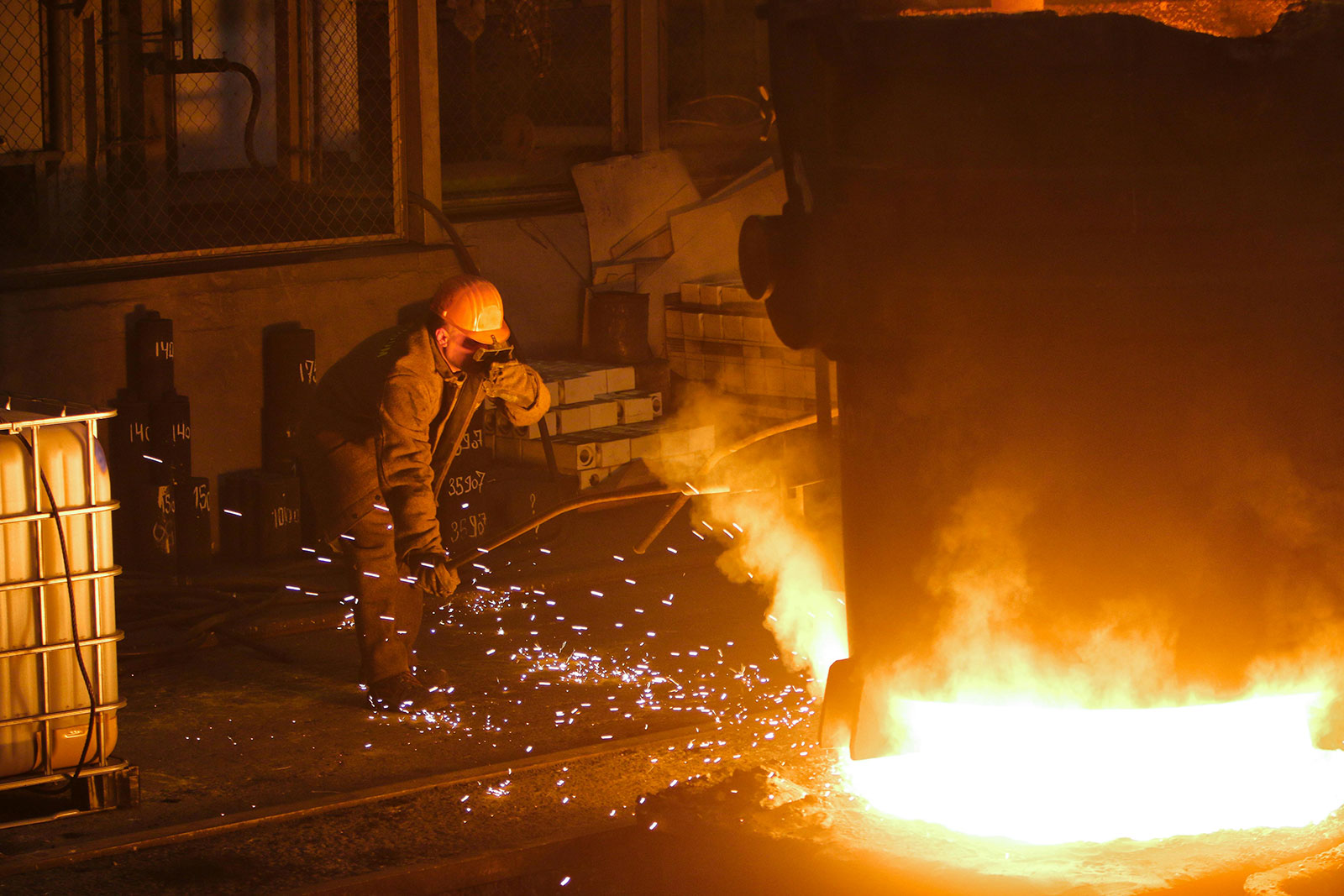
Heat is one of the most common contributors to bearing failure. Elevated temperatures accelerate wear, degrade lubricants, and can cause dimensional instability in both metallic and polymer-based components. In many industrial systems, heat is not a temporary condition but a constant operating reality.
Steel bearings handle heat well structurally, but they rely heavily on lubrication. As temperatures rise, lubricants thin, oxidize, or burn off entirely, increasing friction and wear. Polymers, on the other hand, often struggle with thermal softening, creep, or loss of mechanical strength when exposed to sustained heat.
In simple terms, if a bearing or bushing material cannot maintain its shape and surface integrity at temperature, it will wear faster, create friction, and eventually fail, regardless of how strong it looks on paper. For OEMs, this creates a material gap. They need something that combines the load capacity of metal with the low-friction and corrosion resistance of advanced polymers, while remaining stable at elevated temperatures. That gap is where high-performance composites like TA400 are designed to operate.
Introducing TA400 as a High-Temperature Composite Solution
TA400 is a fiber-reinforced composite material developed for bearing and bushing applications that experience sustained high temperatures and heavy mechanical loads. It was engineered to maintain mechanical integrity, wear resistance, and dimensional stability in environments where many polymers and traditional composites begin to degrade.
From a material perspective, TA400 combines a high-temperature resin system with reinforcing fibers and solid lubricants. This structure allows the material to resist thermal softening while maintaining a consistent coefficient of friction across a wide temperature range.
Non-engineers can think of TA400 as a composite that does not “relax” when things get hot. It keeps its shape, stays predictable, and continues to perform even when other materials start to lose strength. Unlike standard plastics or lower-grade composites, TA400 is not intended for light-duty or intermittent heat exposure. It is designed for continuous service in elevated-temperature environments where reliability matters more than cost alone.

Thermal Stability and Continuous Operating Temperature
One of the defining characteristics of TA400 is its ability to operate continuously at temperatures that exceed the limits of many traditional composite bearing materials. While many polymer-based bearings perform well at moderate temperatures, they can soften or creep when exposed to prolonged heat.
TA400’s resin system is engineered to maintain structural integrity at high operating temperatures, reducing the risk of deformation under load. This stability is particularly important in bearings and bushings where dimensional changes can lead to misalignment, increased friction, or premature wear.
If a bearing changes shape when it gets hot, it stops fitting the way it should. TA400 is designed to stay stable so the system keeps running smoothly. This thermal stability allows TA400 to be specified in applications where heat is not an exception, but part of normal operation, such as heavy industrial equipment, process machinery, and energy-related systems.
Load Capacity and Resistance to Creep
Heat and load often occur together. As temperature rises, many materials become more susceptible to creep, the slow deformation of a material under sustained stress. In bearing applications, creep can cause loss of clearance, increased friction, and eventual seizure.
TA400’s fiber reinforcement provides resistance to creep even under sustained compressive loads at elevated temperatures. This makes it suitable for applications where bearings support static or dynamic loads over long service intervals.
From an engineering standpoint, this resistance to creep allows designers to maintain tighter tolerances and predictable performance over time. For OEMs, it reduces the likelihood of gradual performance degradation that leads to unexpected maintenance.
TA400 does not slowly “squish” out of shape when it is hot and under pressure. It holds its form, which means fewer surprises later.
Wear Resistance and Friction Performance
Wear behavior is influenced by a combination of material hardness, surface characteristics, and lubrication conditions. TA400 incorporates solid lubricants within the composite structure, enabling low and stable friction even in applications with limited or no external lubrication.
This self-lubricating behavior is particularly valuable in high-temperature environments where grease or oil lubrication may be impractical or unreliable. As lubricants degrade at temperature, friction increases, accelerating wear in traditional bearing materials.
TA400’s consistent friction characteristics help reduce heat generation caused by sliding motion, further supporting stable operation in demanding environments. Lower friction means less heat, less wear, and longer service life. TA400 is designed to keep friction predictable when lubrication is not.

Hardness, Machinability, and Dimensional Precision
TA400 exhibits a high surface hardness compared to many composite bearing and bushing materials, contributing to its wear resistance in demanding applications. At the same time, it remains machinable to precise tolerances, allowing it to be manufactured into custom bearing and bushing geometries.
This balance between hardness and machinability is important for OEMs designing proprietary components. Bearings and bushings often need to fit precisely into housings, align with shafts, or integrate into complex assemblies.
TA400 is tough enough to resist wear but still workable enough to be shaped accurately for real-world designs. This flexibility allows TA400 to be used in both standard bearing configurations and custom-engineered solutions.
Moisture Absorption and Dimensional Stability
Moisture absorption can significantly affect the performance of polymer-based materials, particularly in environments where temperature and humidity fluctuate. TA400 is engineered to minimize water absorption, reducing dimensional changes that could affect bearing fit and performance.
Low moisture uptake helps ensure consistent behavior across a range of operating environments, including applications where heat and humidity coexist. Materials that absorb moisture can swell, changing how they fit and wear. TA400 is designed to avoid that issue.

Typical Applications for TA400 Bearings and Bushings
TA400 is intended for use in applications where elevated temperature, load, and wear resistance are critical. Common application categories include:
- Industrial processing equipment
- Heavy-duty machinery
- Energy and power generation systems
- High-temperature wear points in mechanical assemblies
- OEM equipment where steel bearings experience lubrication or wear issues
In many cases, TA400 is specified as a replacement for steel or bronze bearings when those materials introduce maintenance challenges or fail to meet lifecycle expectations.
Comparing TA400 to Traditional Steel Bearings
Steel bearings remain an excellent choice in many applications, but they are not always the most efficient solution in high-temperature environments. Steel relies heavily on lubrication, and when lubrication fails, wear accelerates quickly.
TA400 offers a different performance profile. While it may not match steel’s ultimate compressive strength in every scenario, it compensates with lower friction, reduced lubrication dependence, and greater resistance to corrosion and thermal degradation. The choice is often not about replacing steel everywhere, but about knowing where steel becomes a liability.
Material Selection as a Strategic Design Decision
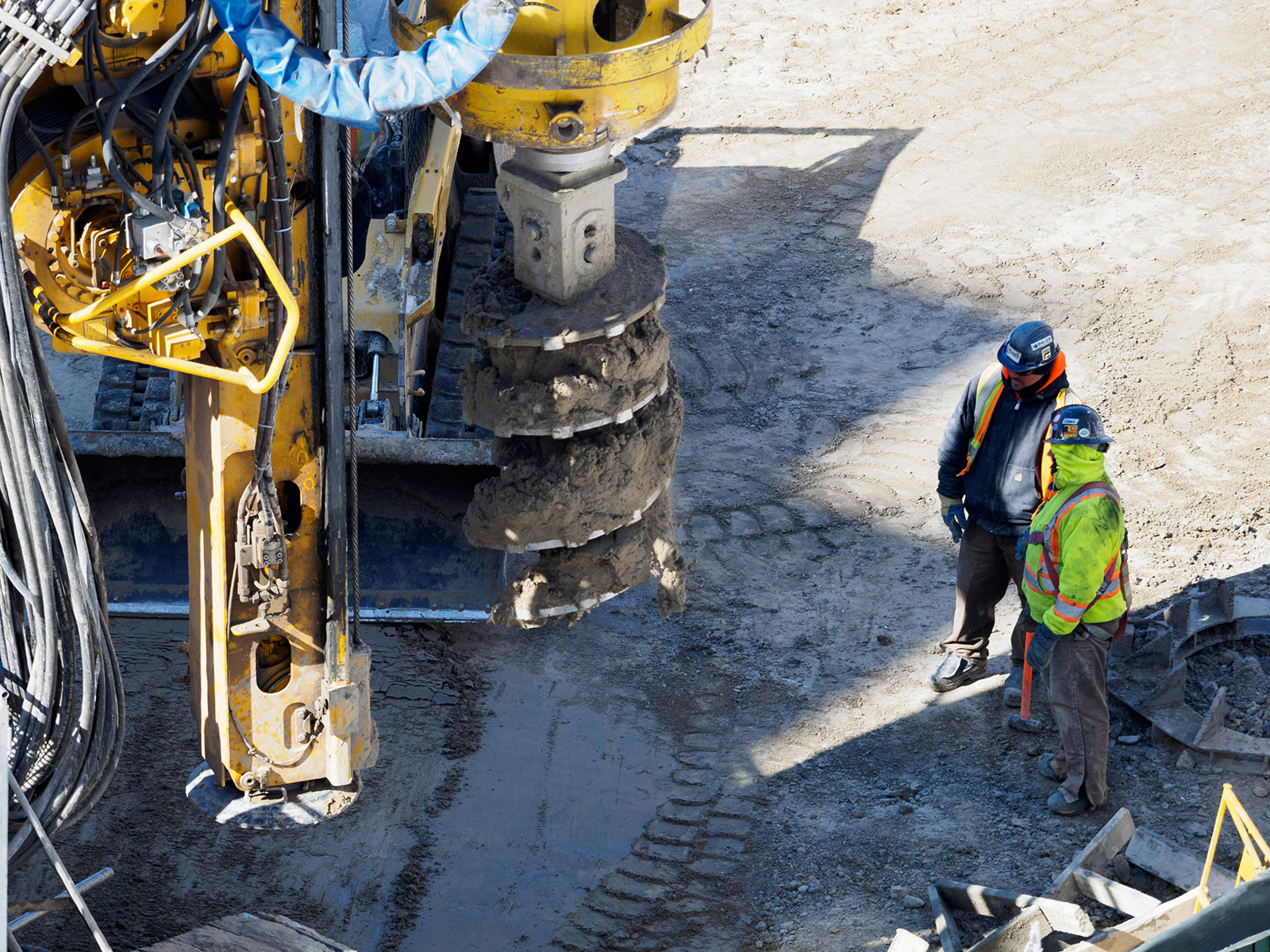
Selecting a bearing or bushing material is no longer just a mechanical decision. It is a strategic choice that affects maintenance schedules, uptime, safety, and total cost of ownership.
High-temperature composite materials like TA400 allow OEMs to design systems that are more tolerant of real-world operating conditions. By reducing reliance on lubrication and improving thermal stability, these materials can help extend service intervals and reduce long-term operating costs.
Final Thoughts on TA400 Composite Bearings
TA400 represents a step forward in composite bearing materials for high-temperature applications. Its combination of thermal stability, load resistance, wear performance, and dimensional control makes it well suited for demanding industrial environments.
For OEMs evaluating alternatives to steel bearings and bushings, understanding how materials behave under heat and load is essential. TA400 provides a compelling option where traditional materials struggle to deliver consistent, long-term performance.
For those seeking additional technical guidance or application-specific insight, Tribotech Composites can serve as a resource for evaluating whether TA400 is appropriate for a given design or operating environment. Reach out to us anytime to talk through solutions for bearings and bushings that aren’t keeping up with your high demands.