
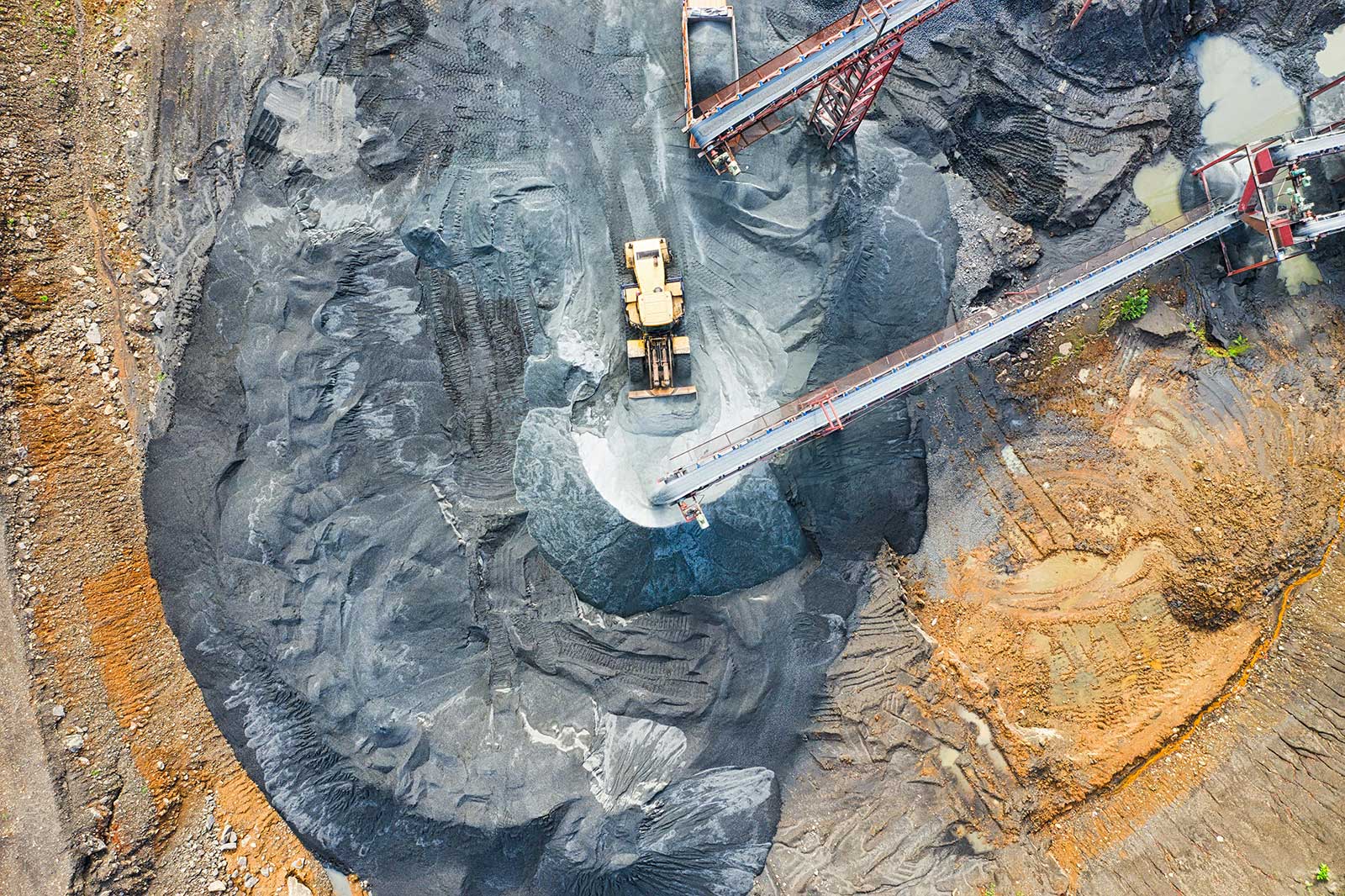
Across industries like marine, mining, defense, agriculture, material handling, and heavy construction, equipment reliability continues to be one of the most important factors in day-to-day operations. As systems become more powerful and operate in harsher environments, traditional metallic bearings often reach their performance limits. This is especially true when equipment is exposed to shock loading, abrasive contaminants, temperature swings, or long periods of constant moisture.
Composite bearings and bushings offer a modern alternative. Built from resin systems, fabric reinforcements, and integrated solid lubricants, these materials are engineered to deliver a unique combination of strength, dimensional stability, and long-term wear resistance. As a result, many operators see improvements in machine life, reduced maintenance intervals, and a lower total cost of ownership.
Engineered for Extreme Loads, Shock, and Thermal Cycling
Heavy industrial machines rarely experience steady, predictable loading. Excavators, hydraulic presses, mining conveyors, and agricultural implements often face sudden load spikes and continuous vibration. Metallic bearings can deform, crack, or seize in these conditions, especially under repeated shock events.
Composite bearings behave differently because of their fiber-reinforced construction. Resin-impregnated fabrics naturally damp vibration and absorb energy. Rather than transferring impact forces directly into mating components, the material structure flexes microscopically, reducing wear on shafts and housings and helping maintain alignment under harsh duty cycles.
Thermal performance is another significant benefit. Many machines experience rapid temperature changes, such as cold morning starts followed by high operating heat. Composite bearings maintain mechanical stability and clearance during these cycles. Their resistance to thermal expansion, contraction, and distortion allows them to perform reliably where metals may warp or seize.
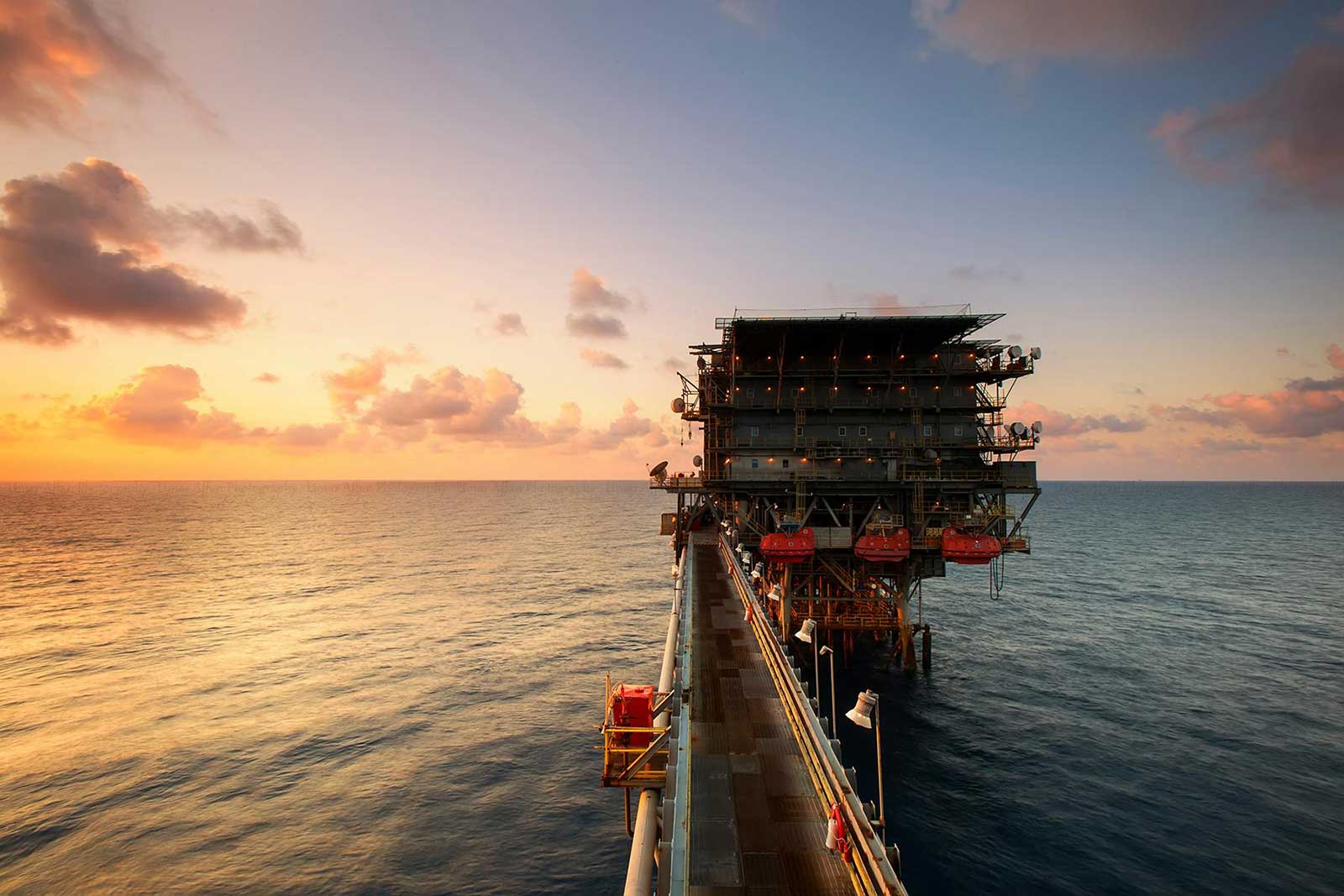
Self-Lubricating Materials That Lower Maintenance Requirements
A defining advantage of composite bearings is built-in lubrication. Rather than relying on grease fittings or oil systems, these materials contain lubricants such as PTFE, graphite, or molybdenum disulfide that are dispersed throughout the composite.
This design creates a continuously lubricated surface as the bearing operates and offers several practical benefits:
- Smooth operation even during brief periods of dry running
- No risk of grease starvation or blocked lubrication passages
- No buildup of abrasive paste created when dirt adheres to oily surfaces
- Reduced or eliminated lubrication intervals
- Longer seal life due to cleaner operating conditions
For operators trying to reduce maintenance labor or avoid lubrication challenges in remote or underwater environments, this can be a major advantage.
Resistance to Water, Corrosion, and Chemical Exposure
Traditional metallic bearings break down quickly in environments with moisture, salt, acids, or chemical washdowns. Even stainless steel is vulnerable to pitting corrosion, and bronze bearings can swell or seize when contaminants enter the lubrication path.
Composite bearings provide a fundamentally different approach. Because they are built from non-metallic materials, they are naturally immune to rust, oxidation, and chemical reaction with most common industrial fluids. Resin systems can be formulated to withstand exposure to fuels, fertilizers, detergents, hydraulic oils, and saltwater without softening, swelling, or losing mechanical stability.
This chemical and corrosion resistance delivers practical advantages such as:
- Consistent operating clearances that do not change due to rust, scale, or corrosion buildup
- Elimination of seizure events caused by oxidized metal-on-metal contact
- Longer seal life because corrosion does not disrupt shaft surfaces
- Reliable performance in underwater environments, marine decks, shipboard cranes, agricultural sprayers, and food-processing equipment
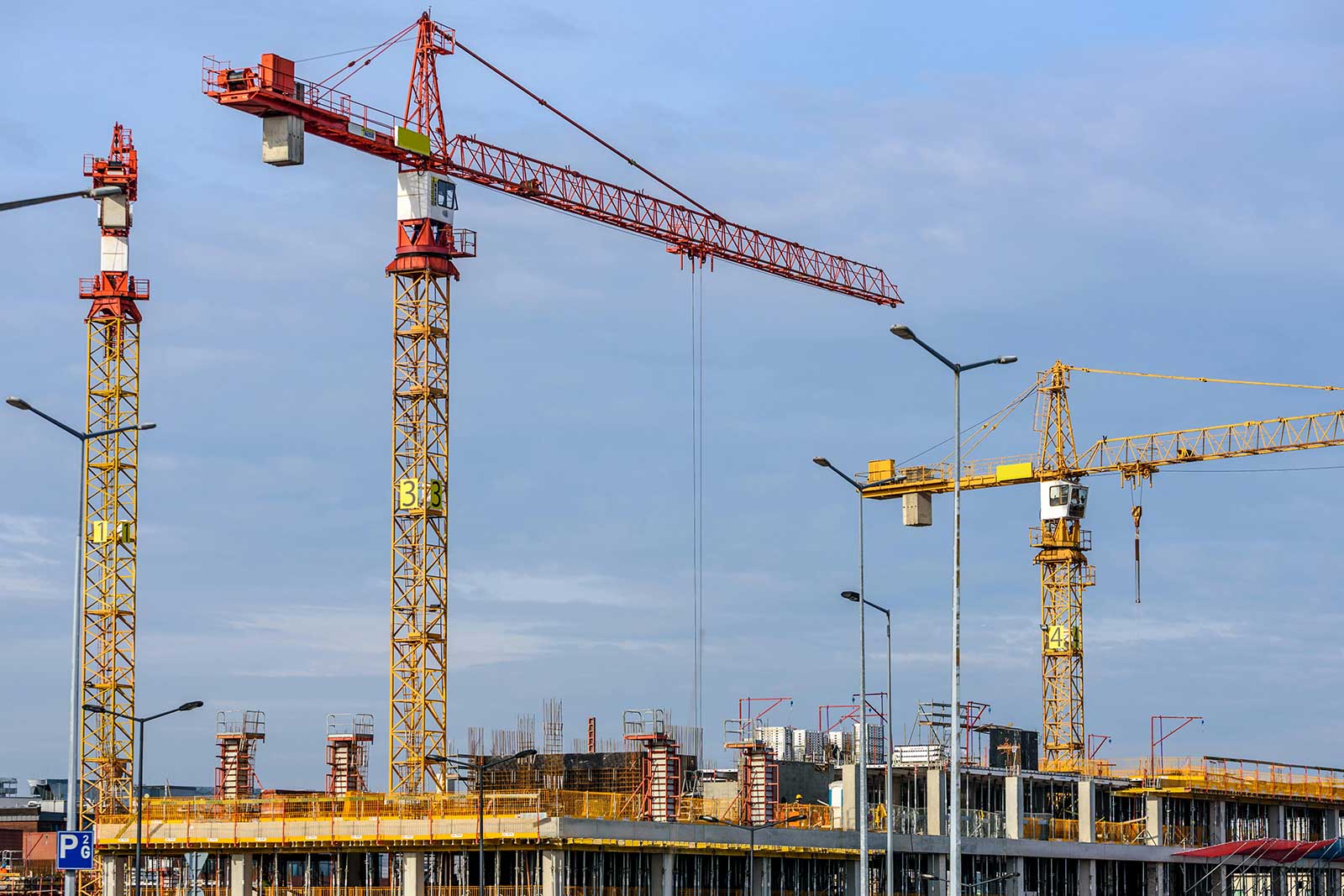
In industries where equipment is constantly exposed to the elements such as offshore, agriculture, water treatment, dredging, docks, and coastal material handling. Composite bearings reduce maintenance and extend operational uptime.
Dimensional Stability and Long Wear Life
Stable internal structure is one of the defining strengths of composite bearings. Their layered fiber reinforcement prevents distortion from continuous pressure, unlike softer metals or greased bronze bushings that slowly deform under long-term loading. This stability matters most in machines that run for extended durations or experience cyclical loading.
Composite designs resist:
- Creep, where materials gradually deform under constant load
- Compression set, where bearings lose their original shape
- Ovality and out-of-roundness, which introduce vibration
- Thermal expansion, which affects bearing clearance and shaft alignment
As the bearing maintains its shape, the shaft remains better supported. Lower vibration and more consistent motion translate into longer life for shafts, pins, and mating components, reducing replacement cycles for the entire assembly.
This stability also allows:
- Tighter design tolerances without risking binding
- Better performance in high-cycle applications such as linkages, pivots, and oscillating joints
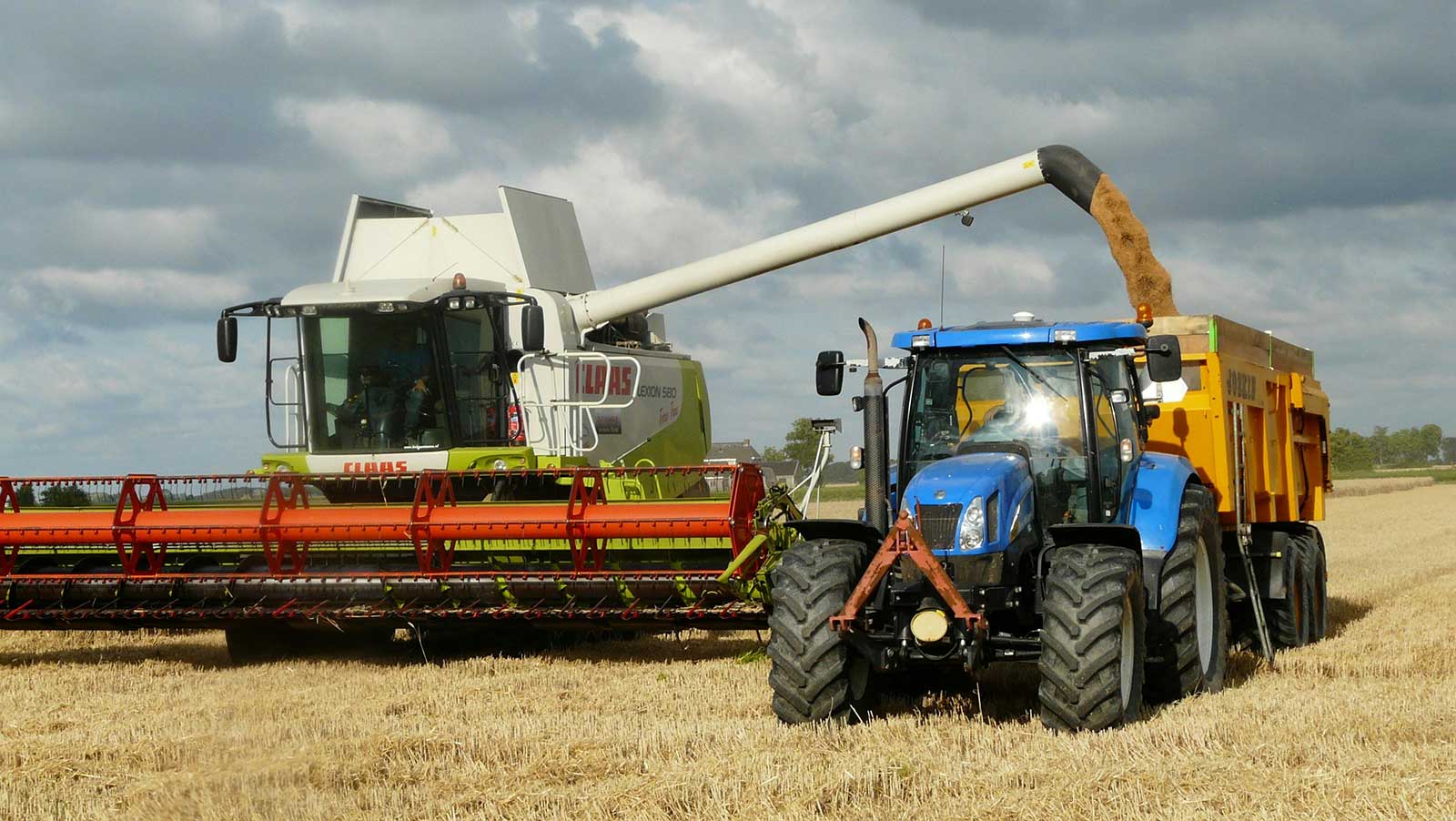
- Reliable motion in equipment affected by shock, such as construction booms or excavator arms
Long-term dimensional reliability is one of the primary reasons composite bearings are now common in harsh-duty pivot points and heavy industrial joints.

Lightweight Construction That Improves System Efficiency
Composite bearings are typically 70–80 percent lighter than steel or bronze components of the same size. While weight savings may seem minor at the part-by-part level, those changes scale significantly across entire systems, especially in mobile and motion-heavy equipment.
A lighter bearing contributes to:
- Lower inertia, improving energy efficiency in rotating systems
- Faster response, especially in actuators, linkages, and drive systems that constantly change direction
- Reduced fuel use in mobile machinery like loaders, marine hoists, agricultural equipment, and construction boom arms
- Reduced overall mass, which can improve safety and reduce structural stress
For electric equipment, reduced friction and lower mass translate into better battery performance. For hydraulic machinery, lighter components contribute to smoother operation and faster cycle times.
Even small gains accumulate. A multi-ton machine with dozens of pivot points can see meaningful reductions in energy consumption and system strain simply by switching to lighter bearing materials.
Proven ROI Across Industrial Sectors
Each industry that adopts composite bearings tends to do so for different reasons, but the financial results are consistent. Longer life, reduced maintenance labor, and fewer lubrication-related failures produce measurable ROI regardless of application.
Examples include:
- Mining and aggregate: Machines exposed to constant dust and impact often experience rapid bearing wear. Composites remove the need for lubrication, eliminating contaminated grease failures and reducing rebuild frequency.
- Offshore and marine: Corrosion resistance alone can extend part life by years. Operators also reduce the cost and safety risks associated with servicing hard-to-reach pivot points.
- Agriculture: Equipment that operates in mud, fertilizer, and intermittent washdowns benefit from chemical stability and clean running surfaces.
- Material handling: Forklifts, cranes, and conveyors see smoother operation and fewer lubrication issues in continuous-use environments.
When evaluating cost over a bearing’s service life, composite components often reduce total expenses even when the initial part cost is higher. This is because of failures, lubrication labor, corrosion damage, and downtime far outweigh the upfront price of individual components.
Conclusion
Composite bearings offer a modern set of material advantages for equipment operating under extreme loads, variable temperatures, contamination, or corrosive environments. Their combination of long wear life, low maintenance requirements, corrosion resistance, and lightweight construction make them applicable across a wide range of demanding industries.