
Material Considerations for Reliability, Uptime, and Cost Control in Extreme Environments
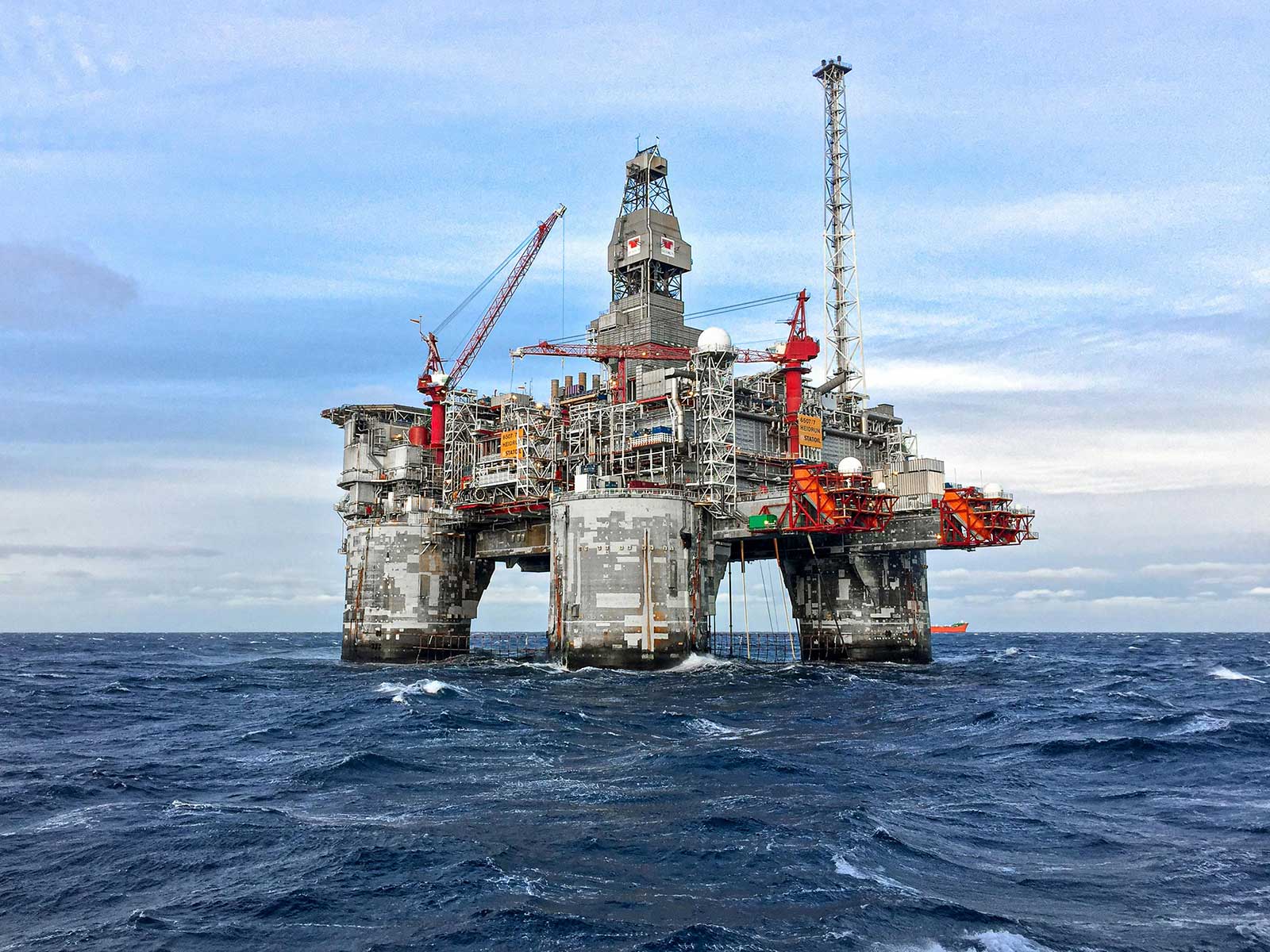
Offshore and hydraulic systems operate in environments where failure is expensive and access is limited. Equipment is routinely exposed to saltwater, vibration, shock loading, abrasive contamination, and unpredictable operating conditions. In these settings, bearing performance directly influences uptime, safety, and long-term operating cost.
Traditional metal bearings have served industry well for decades, but offshore operators and OEMs are increasingly finding that steel and bronze components struggle to keep pace with modern demands. Corrosion, lubrication failure, and premature wear often lead to unplanned maintenance and costly downtime, particularly in locations where repairs require specialized crews or shutdowns.
As equipment grows larger, more complex, and more difficult to service, materials that reduce failure risk and maintenance burden are becoming more attractive. This has driven growing interest in composite bearing materials designed specifically for harsh, high-load environments where reliability and lifecycle performance outweigh initial component cost.
Managing Load, Shock, and Dynamic Motion
Offshore and hydraulic equipment rarely experiences steady, predictable loading. Cranes, winches, jacking systems, hydraulic cylinders, and rotating structures are subjected to constant shock, vibration, side loading, and cyclic stress. Bearings in these systems must support high compressive loads while maintaining dimensional stability over long service intervals.
Fiber-reinforced composite bearings are engineered to address these challenges. Unlike many conventional plastics, advanced composites resist creep and deformation under sustained load, allowing them to maintain tight tolerances even when subjected to continuous pressure. This stability is particularly important in applications where alignment and precision directly affect mechanical efficiency and safety.
From an operational standpoint, stable load handling reduces secondary wear on shafts, housings, and adjacent components. For OEMs, this can translate into fewer warranty claims and longer service intervals. For operators, it reduces the likelihood that a single bearing failure cascades into broader system damage and unplanned downtime.
Corrosion Resistance in Marine and Offshore Environments
Corrosion remains one of the most persistent and costly challenges in offshore operations. Metallic bearings are vulnerable to rust, pitting, and galvanic corrosion, especially in saltwater and splash-zone environments. Even with coatings and protective treatments, prolonged exposure often leads to surface degradation and reduced service life.
Composite bearings mitigate many of these issues by eliminating metal from the wear interface altogether. Because they are non-metallic, composite materials do not rust or corrode, nor do they contribute to galvanic interaction with surrounding components. Many composites are also inherently resistant to seawater, humidity, and a broad range of industrial chemicals.
This resistance provides durability and enables more flexible system design. Bearings can be specified for submerged, intermittently wetted, or fully exposed conditions without relying on coatings that may wear away over time. For offshore operators, this consistency reduces uncertainty around bearing performance and maintenance planning in corrosive environments.
Reducing Maintenance and Lubrication Complexity
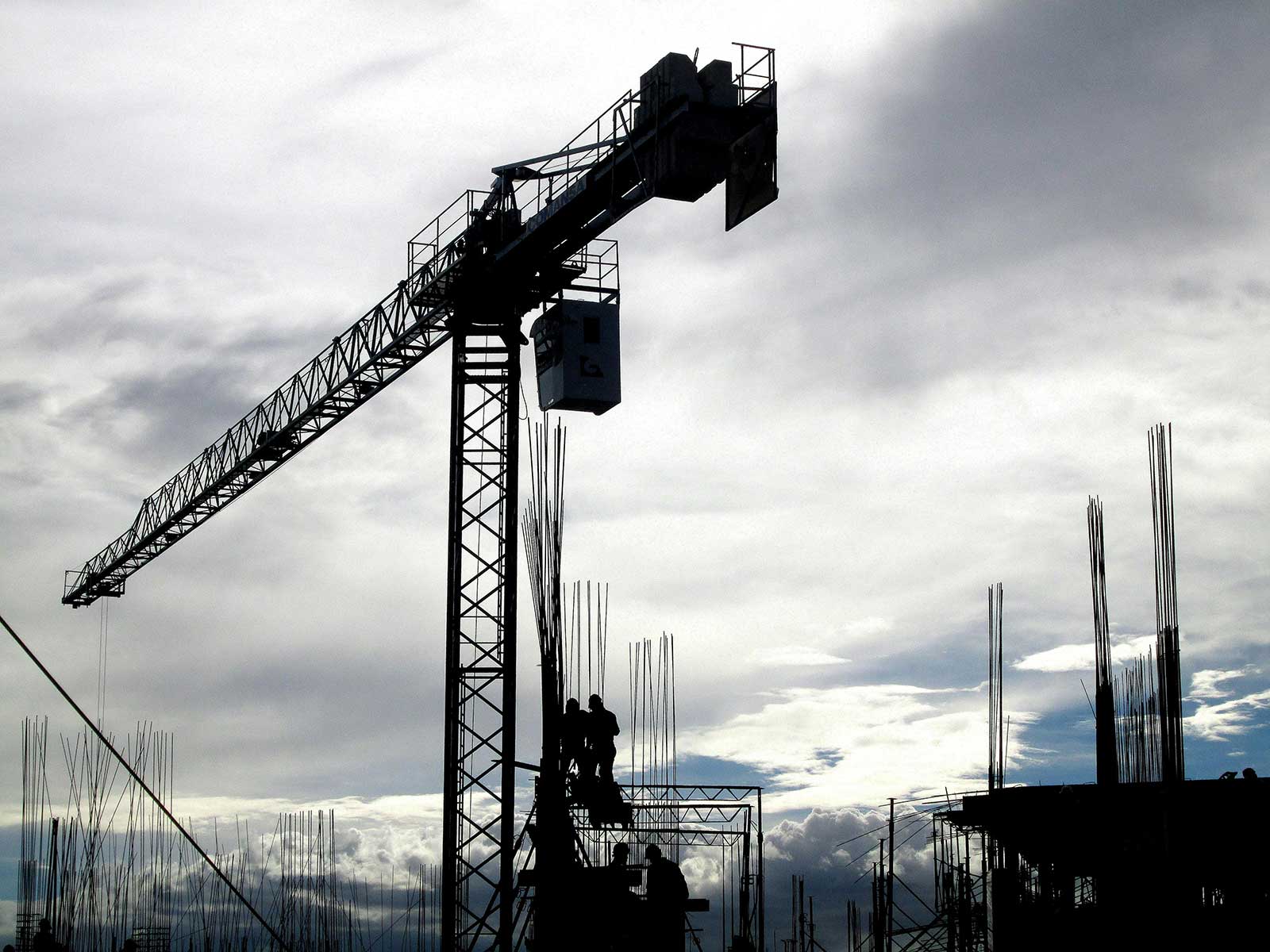
Maintenance access is often limited in offshore and hydraulic installations. Lubrication lines, grease fittings, and scheduled re-lubrication intervals can be difficult to manage, particularly in submerged or hard-to-reach locations. When lubrication systems fail, bearing life is often significantly shortened.
Many composite bearings are designed to operate without external lubrication. Solid lubricants can be incorporated directly into the bearing material, allowing dry running or water-lubricated operation without grease or oil. This removes a common failure point and simplifies equipment design.
From a business perspective, reducing lubrication requirements lowers labor costs and minimizes the risk associated with missed maintenance intervals. It also improves safety by reducing the need for personnel to access hazardous areas for routine servicing. Over the life of a system, these operational advantages can outweigh the higher upfront cost of advanced materials.

Performance in Real-World Operating Conditions
Offshore and hydraulic equipment rarely operates under ideal conditions. Misalignment, pressure spikes, contamination, and shock loads are common, particularly during startup, shutdown, or emergency operation. Bearings must tolerate these realities without seizing or damaging mating components.
Fiber-reinforced composite bearings are well suited to these conditions. Their internal structure allows them to absorb shock and tolerate minor misalignment, while their bearing surfaces can embed small particles rather than scoring shafts or housings. This behavior helps protect both the bearing and surrounding components when contamination is present.
Consistent performance under non-ideal conditions reduces the likelihood of sudden failures. For operators, this means fewer surprises and more predictable maintenance schedules. For OEMs, it allows equipment to be designed with greater confidence that bearings will perform reliably across a range of operating scenarios.
Growing Adoption Across Offshore and Hydraulic Systems
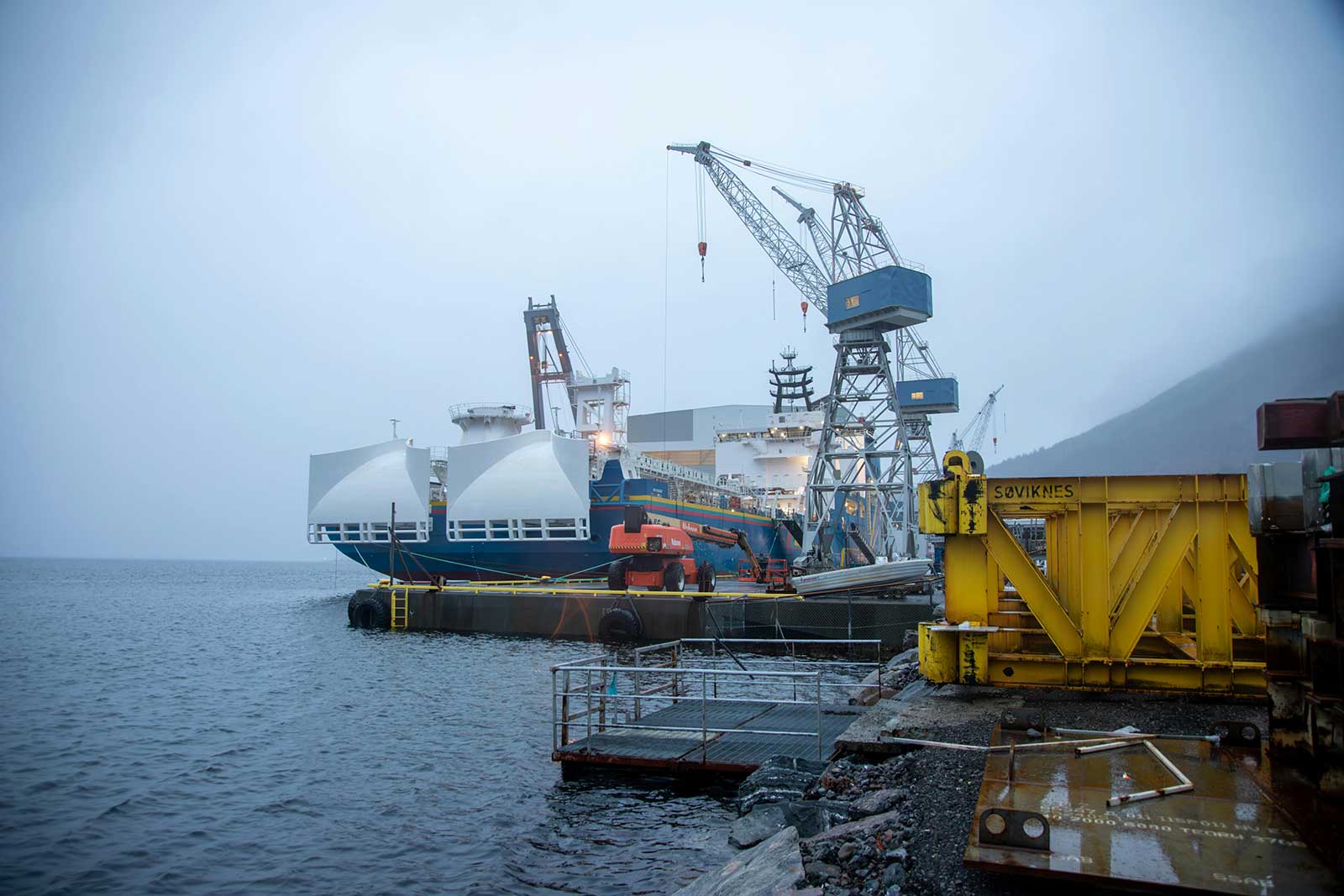
Composite bearings are no longer considered experimental solutions. They are now widely specified across offshore platforms, marine equipment, hydraulic systems, and energy infrastructure. Applications range from rotating structures and cylinder pivots to wear rings and guide components exposed to corrosive or abrasive conditions.
This adoption reflects a broader shift in how operators evaluate materials. Rather than focusing solely on component cost, decision-makers are increasingly considering total cost of ownership, including maintenance, downtime, and replacement intervals. In many cases, the ability to reduce unplanned outages has become a primary driver of material selection.
As offshore assets age and new installations move into deeper or more remote locations, materials that extend service life and reduce intervention are becoming critical. Composite bearings align well with these priorities by offering durability and consistency in environments where maintenance access is limited.
Final Considerations for OEMs and Operators
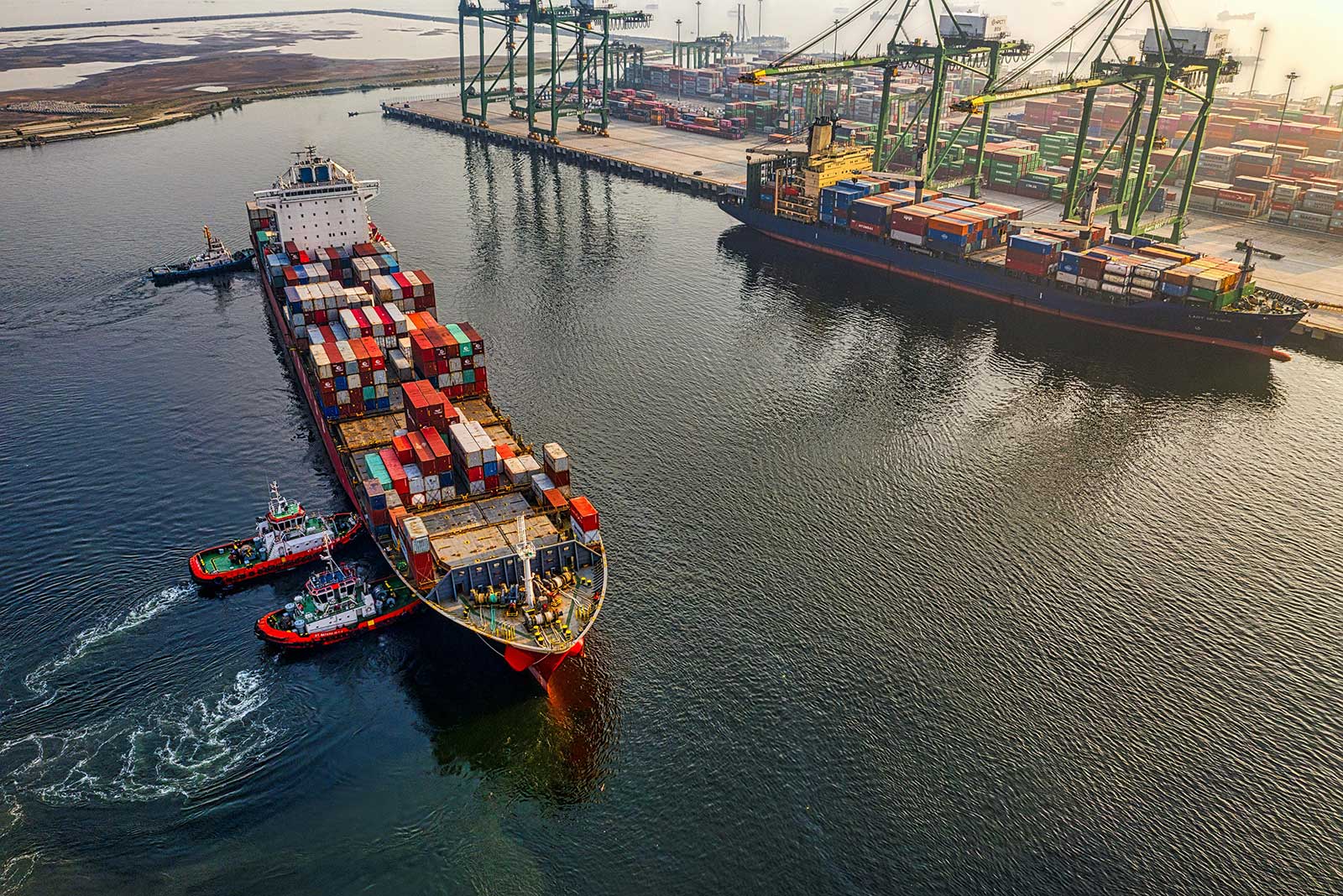
For offshore and hydraulic applications where reliability, access, and lifecycle cost are key concerns, composite bearings offer a practical alternative to traditional metal components. Their resistance to corrosion, ability to operate with little or no lubrication, and stability under heavy load make them well suited to demanding environments.
For OEMs, early consideration of composite materials during the design phase can improve system reliability and reduce downstream service costs. For operators, retrofitting composite bearings in high-risk locations can help mitigate recurring failures associated with corrosion or lubrication loss.
Organizations evaluating composite bearing solutions may benefit from consulting with experienced materials specialists. Companies such as Tribotech Composites can serve as a technical resource when assessing material options, application requirements, and long-term performance considerations.