
A Technical Case for Composite Bushings on Mobile Construction Fleets
Bushings on construction equipment operate under conditions that differ from their intended environment. The articulation joint on a dump truck, the hinge pins on a motor grader, the pivot pins on a loader Z-bar linkage, the kingpins on a forklift, and the clevises on steering cylinders are all examples. These parts are designed based on published load and speed parameters, but on an active site, the load may be unstable, lubrication routines are often incomplete, and the operating environment is certainly not clean.
Work orders for repeated failures in these areas are typically labeled as “normal wear” or “lubrication issue.” While both terms are correct, they do not offer a way to achieve a better outcome.
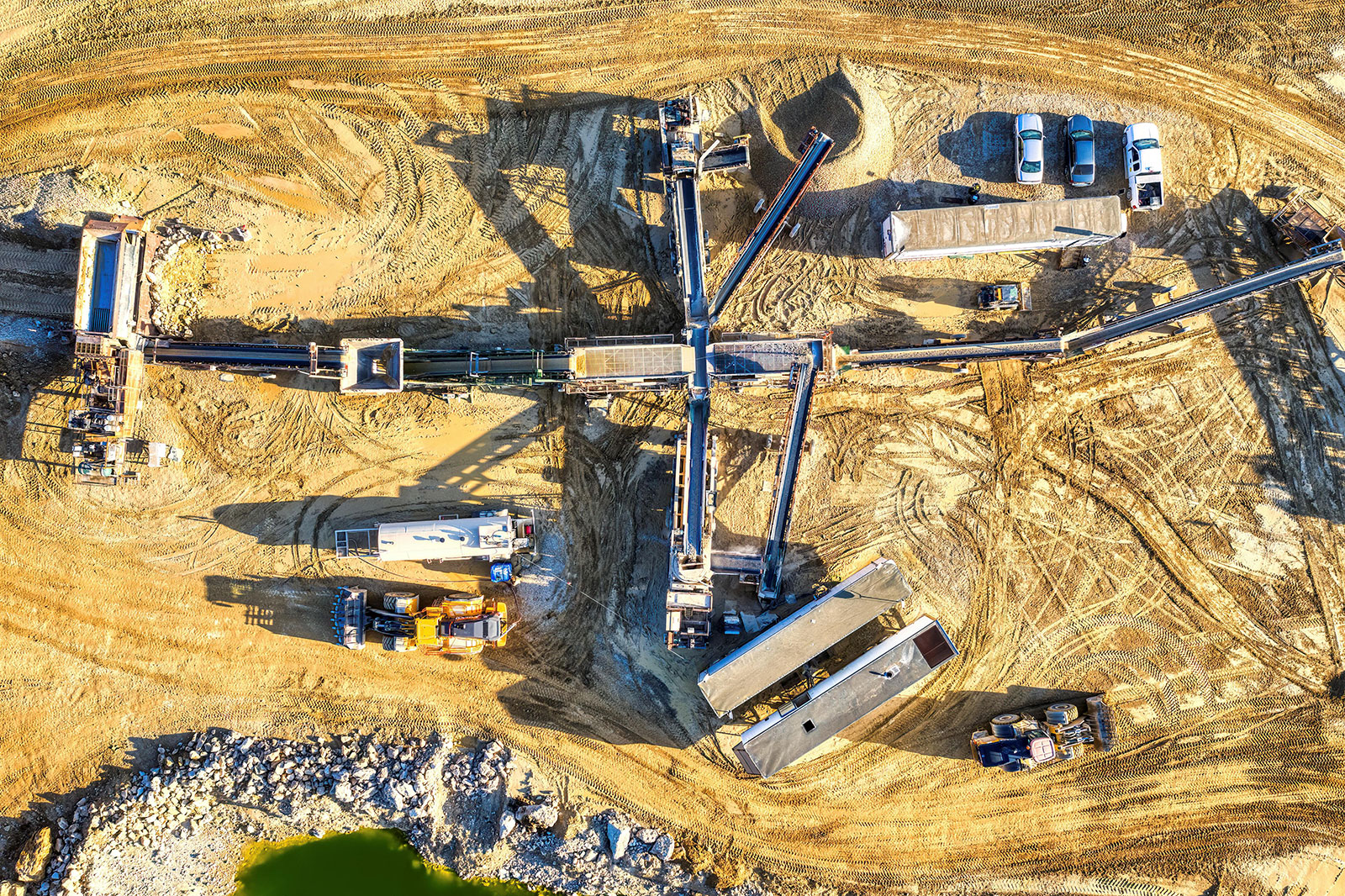
The actual failure conditions for construction equipment are more precise and consistent than the work order terms imply. Three main issues stand out. The first is abrasive access. Dust, sand, concrete fines, asphalt grit, and aggregate dust infiltrate the bearing zone past any sealing arrangement. The second is water exposure. Rain, washdowns, mud, and groundwater wash away grease from the contact zone faster than the next lubrication can replace it. The third is oscillating and shock loading. Pivot motion through a limited range, combined with impact from bed cycles and bucket loads, completely compromises hydrodynamic lubrication. All three of these conditions are present on a typical job site.
Composite bushings for construction equipment are designed to address these gaps. They are tailored for the conditions that a fleet typically faces, not the controlled environment in which standard bushings might operate.
How Composite Bushings Resist Field Failure Modes
A Tribotech composite bushing does not depend on external lubrication to function. Solid lubricants are spread throughout the composite blend during production. Each grade has a different lubricant: PTFE in TA100, graphite in TA200, molybdenum disulfide in TA300. During initial use, lubricant transfers from the bushing to the mating shaft, creating a thin film that facilitates bearing function under load. This film replenishes from the bushing material as it wears.
Several material properties influence performance in construction settings:
- Compressive strength around 50,000 psi can withstand the point loads from impact and shock events on heavy equipment.
- A coefficient of friction near 0.15 prevents shaft scoring in cases of low lubrication.
- Water absorption below 0.1% stops swelling and softening that often affect phenolic and other engineering plastics in wet conditions.
- No metallic content eliminates corrosion-related seizure issues that affect bronze bushings on equipment left outside over weekends or during rainy seasons.
The most important behavior for construction service is contamination tolerance. When abrasive particles enter the bearing zone, the composite absorbs and embeds them, preventing transfer to the journal. The bushing may wear under these conditions, but the shaft remains usable. The expensive component in the bearing pair weathers the contamination and continues to operate.
This means for fleet maintenance that composite bushings do not create the secondary damage modes that usually lead to major overhauls at bearing locations. The pin remains usable. The shaft does not require resurfacing. The joint is repaired simply by replacing the bushing.
Applications Across Construction Equipment
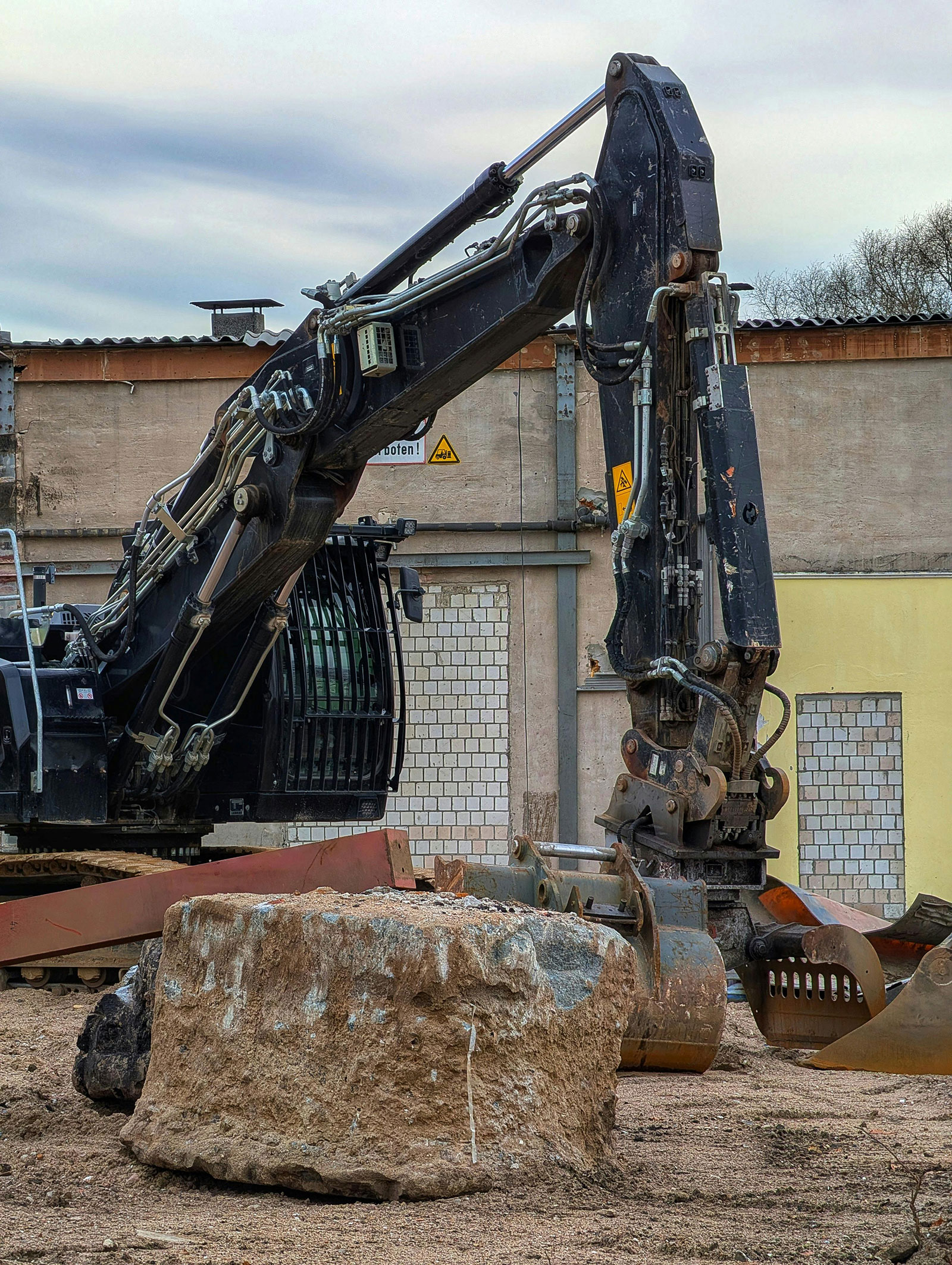
Composite bushings are used in most pin-joint and pivot locations on a construction fleet. The grade selected depends on the load profile, type of motion, and environmental exposure.
Dump Trucks and Articulated Equipment
Articulation joints, frame bushings, and bed pivot pins experience heavy oscillating loads, impacts during dumping, and constant exposure to the environment. TA200, with graphite lubrication, is the most specified grade for these applications. Graphite handles moisture and shock loading well and remains stable across the typical temperature range found in mobile equipment.
Wheel Loaders and Front-End Loaders
Z-bar linkage pivots, bucket cylinder clevises, and lift arm bushings work under repeated oscillation within a limited range. This duty cycle does not work well with hydrodynamic lubrication. TA100 is specified for moderate-duty positions, while TA300, which has molybdenum disulfide lubrication, is chosen where shock loading is consistent or where there is heavy exposure to contamination.
Motor Graders and Pavers
Scraper arm hinge pins, blade pitch bushings, and steering cylinder clevises deal with continuous lateral loading combined with dust from the work surface. This situation speeds up wear on bronze. The use of composites addresses both the wear issue and the need for lubrication.
Forklifts and Material Handling Equipment
Kingpins, tilt cylinder pins, and mast linkage bushings on industrial forklifts face limited maintenance access and oscillating motion through partial cycles. Composite materials are chosen to reduce service intervals and eliminate reliance on inconsistent lubrication routines in mixed-use environments.
Stone Crushers and Aggregate Equipment
Toggle pivots, jaw bearing bushings, and feeder bushings in stone crushers and aggregate processing equipment endure continuous shock loading and heavy particulate exposure. TA300 is typically specified for these parts. The molybdenum disulfide filler provides shock tolerance, and the composite’s ability to handle contamination prevents the journal damage often seen with bronze.
Road Rollers and Compaction Equipment
Drum bearing bushings, frame pivots, and steering linkage bushings on compactors and rollers absorb continuous vibration. Composite bushings perform steadily across a range of vibrations and do not require the scheduled grease that traditional compactor bushings need.
Total Cost of Ownership
The unit cost of a composite bushing is higher than that of bronze. However, the choice is rarely about the unit price.
The relevant comparison involves the total cost of the bearing location over its service life. This includes the labor cost for scheduled lubrication, the labor and part costs for premature replacements when lubrication is missed, costs for pin or shaft repair when bronze seizure damages mating surfaces, and the cost of unplanned downtime when crucial machines fail on site.
On rental fleets, the downtime cost is direct simply because a machine in the shop does not generate revenue. For self-performing crews, the costs are indirect but equally significant. A machine in the shop delays the work it was meant to do. In either case, the cost of the bearing failure often outweighs the price difference between composite and bronze when just one failure event occurs.
For fleet maintenance and procurement teams, the benefits include fewer failures, reduced maintenance labor, and a service life that does not rely on executed lubrication routines. Bronze bushings cannot deliver these results reliably at any cost.
Specifying the Right Bushing
the right grade within the composite line determines whether the bushing works effectively throughout its service life.
The important variables are:
- PV value. This is load multiplied by surface speed. Each composite grade has operating limits. Consult the PV operating curves for applications near grade boundaries, especially those that involve shock or edge loading common in construction.
- Temperature range. Outdoor equipment faces significant temperature fluctuations. Grade selection should accommodate the highest expected operating temperature, not just the average.
- Mating shaft. Composite bushings can handle variations in shaft material and finish, but the formation of transfer film is influenced by the shaft’s surface condition. A ground, hardened pin gives more consistent performance than a turned mild steel pin.
- Chemical compatibility. Cleaning agents, hydraulic fluid, fuel, and process water should be checked against grade compatibility data. Composite chemical behavior differs from metallic and from grade to grade.
- Fit and clearance. Composite thermal expansion is different from bronze. Calculate interference fits for the composite grade rather than transferring them directly from a bronze specification.
A specification process that considers these variables helps prevent service issues that a simple unit cost comparison cannot foresee.
Summary
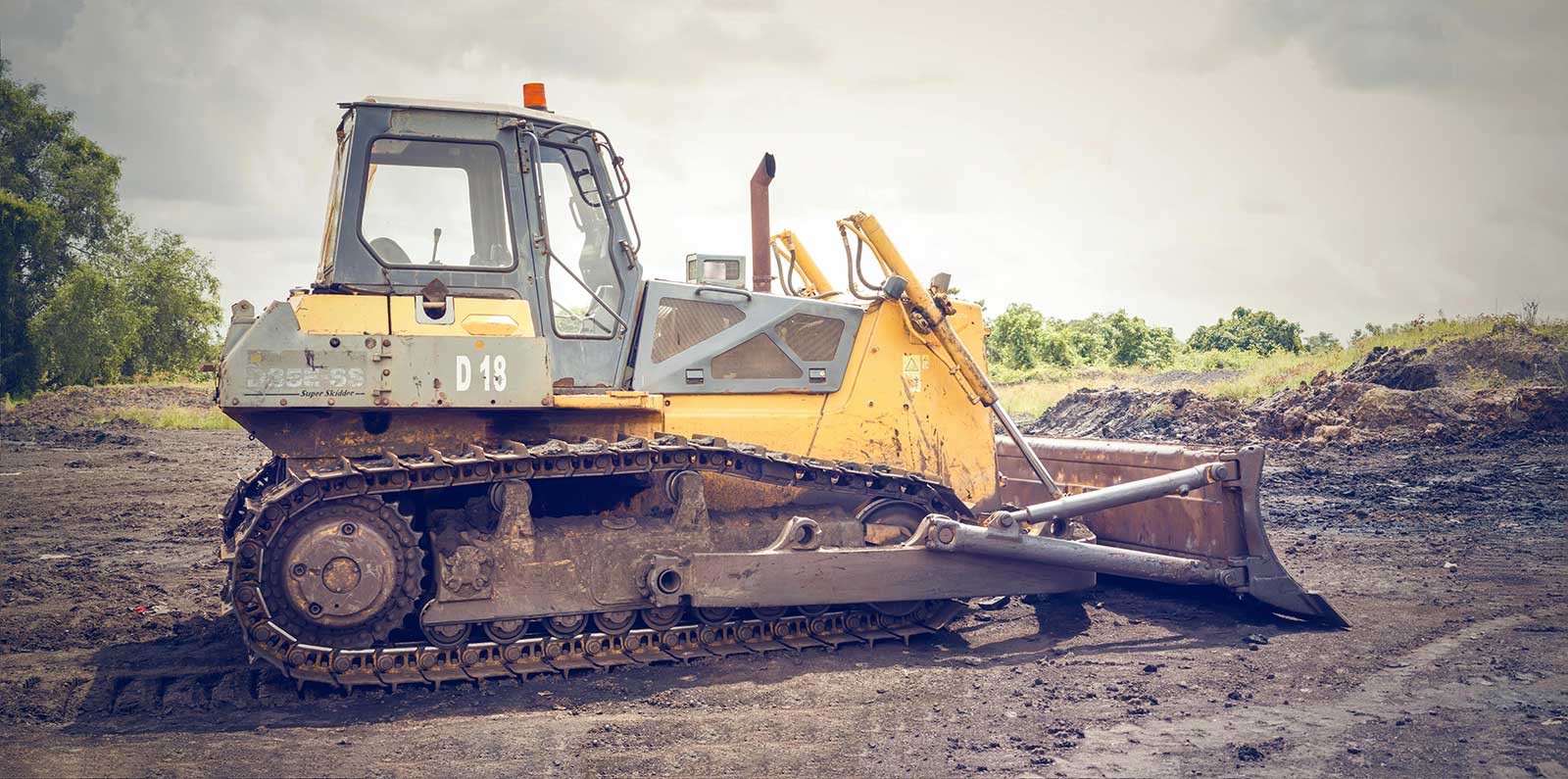
Composite bushings are used on construction equipment to solve failure modes that bronze cannot handle in the field. They are an appropriate choice where lubrication coverage is not consistent, environmental exposure is high, or the duty cycle does not suit hydrodynamic lubrication. These three conditions are common across most pin-joint and pivot positions on a construction fleet.
If a bearing location requires frequent service, it may be time to consider changing the specification.
Specification support. To get a quote for a composite replacement for a specific bearing location, provide the pin or shaft diameter, bushing ID/OD/length, type of motion, expected load including any shock component, environmental exposure, and the current material and observed failure mode to tribotechcomposites.com/contact. Samples of TA100, TA200, TA300, and TA400 are available for testing upon request.