
A Technical Case for Non-lubricated, Non-metallic Bushings in Industrial Applications
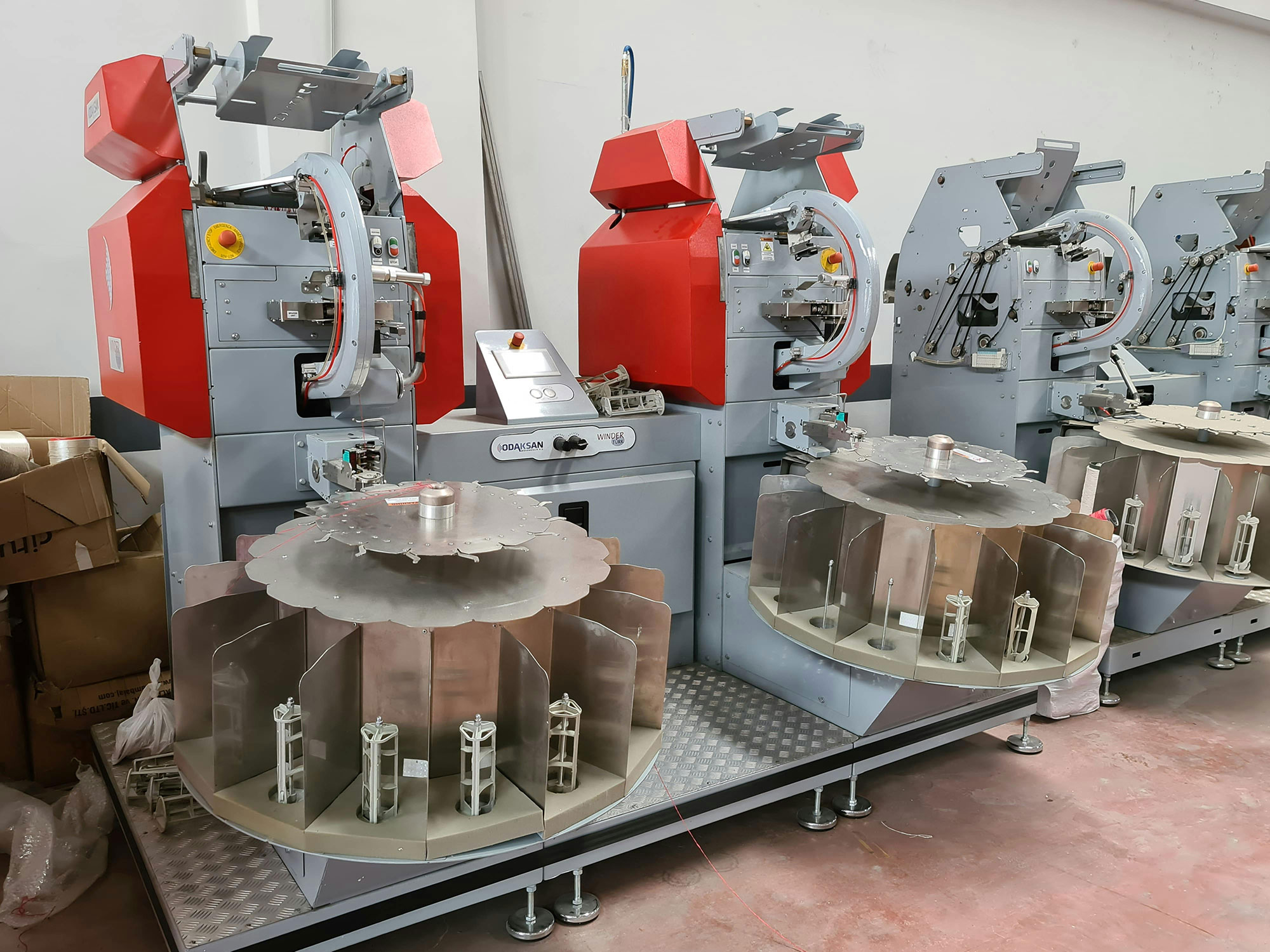
Metal bushings in industrial settings often operate under conditions that differ from their original or intended use. The lubrication plan seems reasonable at the start. The maintenance schedule is practical. Over time, environmental conditions change, production lines get updated, washdown processes become more intense, or maintenance coverage decreases. The bushing continues to work in a boundary-lubricated environment that it was not designed for, until it fails.
This situation leads to most unplanned bushing replacements in industrial applications. It is also why dry-running composite bushings exist as a product.
The lubrication issue often stems from maintenance problems. Bronze, sintered, and steel-backed bushings all rely on a lubricant film to separate the surfaces, manage heat, and control wear. Each function depends on the film being present during operation.
In a test rig, the film is always there. In real-world settings, it often is not. Grease points are missed on hidden or hard-to-reach equipment. Washdowns remove lubrication faster than re-greasing can restore it. Dust, grit, or harsh chemicals contaminate the lubricant and high temperatures reduce its effectiveness. Oscillating loads push lubricant out of the contact zone faster than it can return.
In many industrial environments, these issues represent standard operating assumptions. Most metal bushing failures under these conditions are due to lubrication problems evident at the bushing. Calling them “maintenance issues” in failure reports is technically correct, but it does not offer a way to solve the problem.
The dry-running composite bushing directly addresses this issue. It does not improve the lubrication plan; it removes the need for one.
How Dry-running Bushings Work
A Tribotech composite bushing is designed from the start to work without external lubrication. The bearing function comes from the composite material itself. Solid lubricants, like PTFE, graphite, and molybdenum disulfide, are spread throughout the entire thickness of the bushing instead of just being a surface treatment. Surface treatments wear away. A fully impregnated composite keeps its lubrication properties throughout the component’s life.
During run-in, a thin layer of solid lubricant transfers from the bushing to the mating shaft. This layer handles the bearing work under normal conditions. It replenishes as the composite wears, keeps a stable friction coefficient across its operating range, and prevents the wear mechanisms—like galling, material transfer, and scoring—that cause rapid metal bushing failure in dry contact.
This means that a dry-running composite bushing does not break down when external lubrication is absent since its bearing function does not rely on it.
Applications Where Dry-running Composites Outperform Metal
Dry-running composite bushings are not suitable for every bushing application, but they provide real benefits in industrial environments where reliable lubrication is challenging.
Conveyor and Material Handling
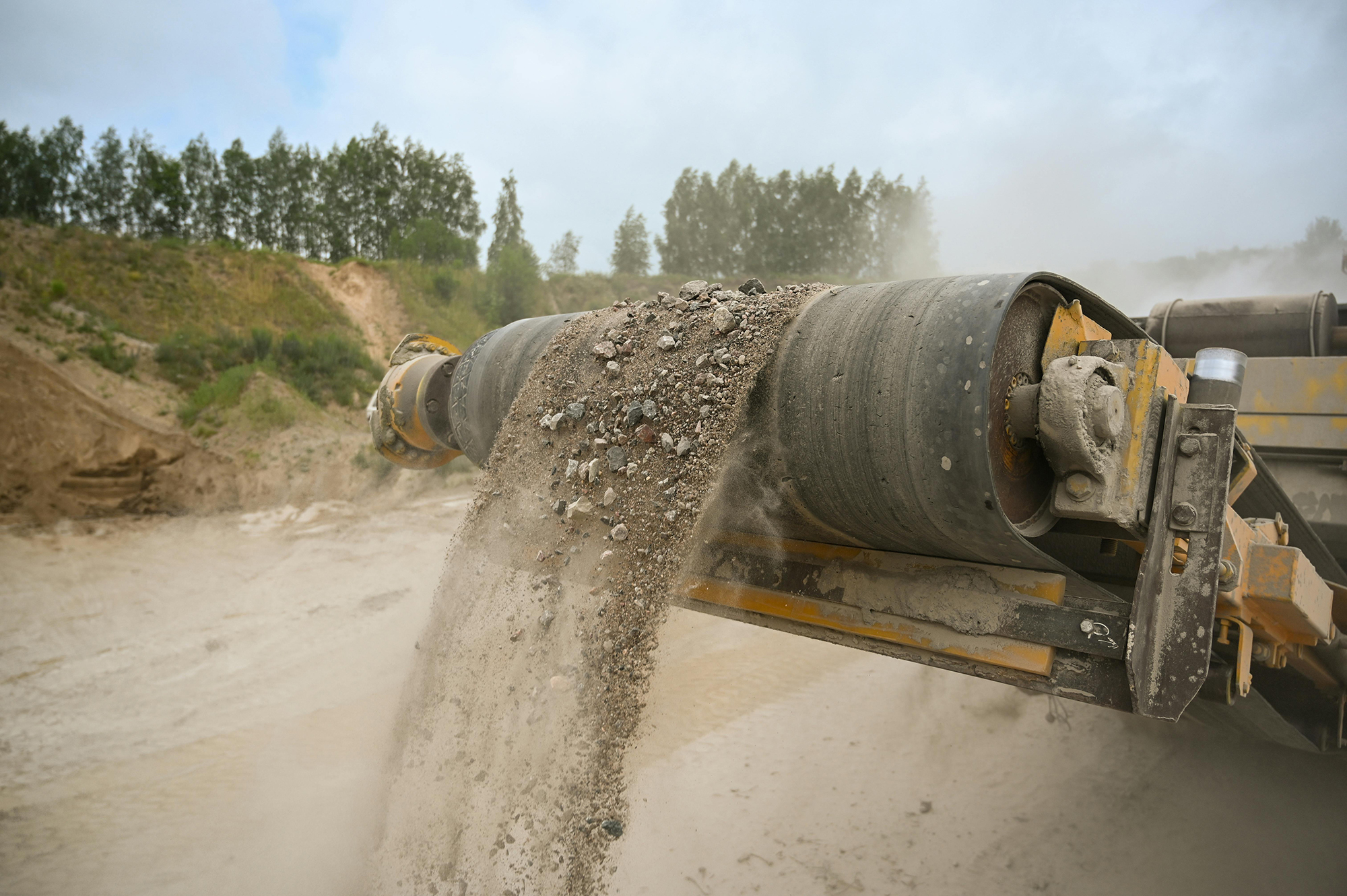
Conveyor systems have many bearing points, constant exposure to particulate contamination, and lubrication routines that are hard to maintain across numerous pivot points.
TA100 is the standard specification for general-duty pivot points under moderate dust levels. TA300 is used where dust is heavy or where shock is a major factor. In both cases, the practical result is the elimination of failures tied to grease cycles and a notable reduction in scheduled lubrication tasks.
Agricultural Equipment
Agricultural applications deal with dirt, moisture, shock loading, inconsistent operating cycles, and lubrication points that are often hard to reach. Scheduled lubrication is frequently skipped in practice, so component specifications must reflect that reality.
TA200, filled with graphite, is the most commonly specified grade for these applications. Graphite filler provides better tolerance to moisture and shock loading compared to PTFE under similar conditions.
Food Processing and Packaging
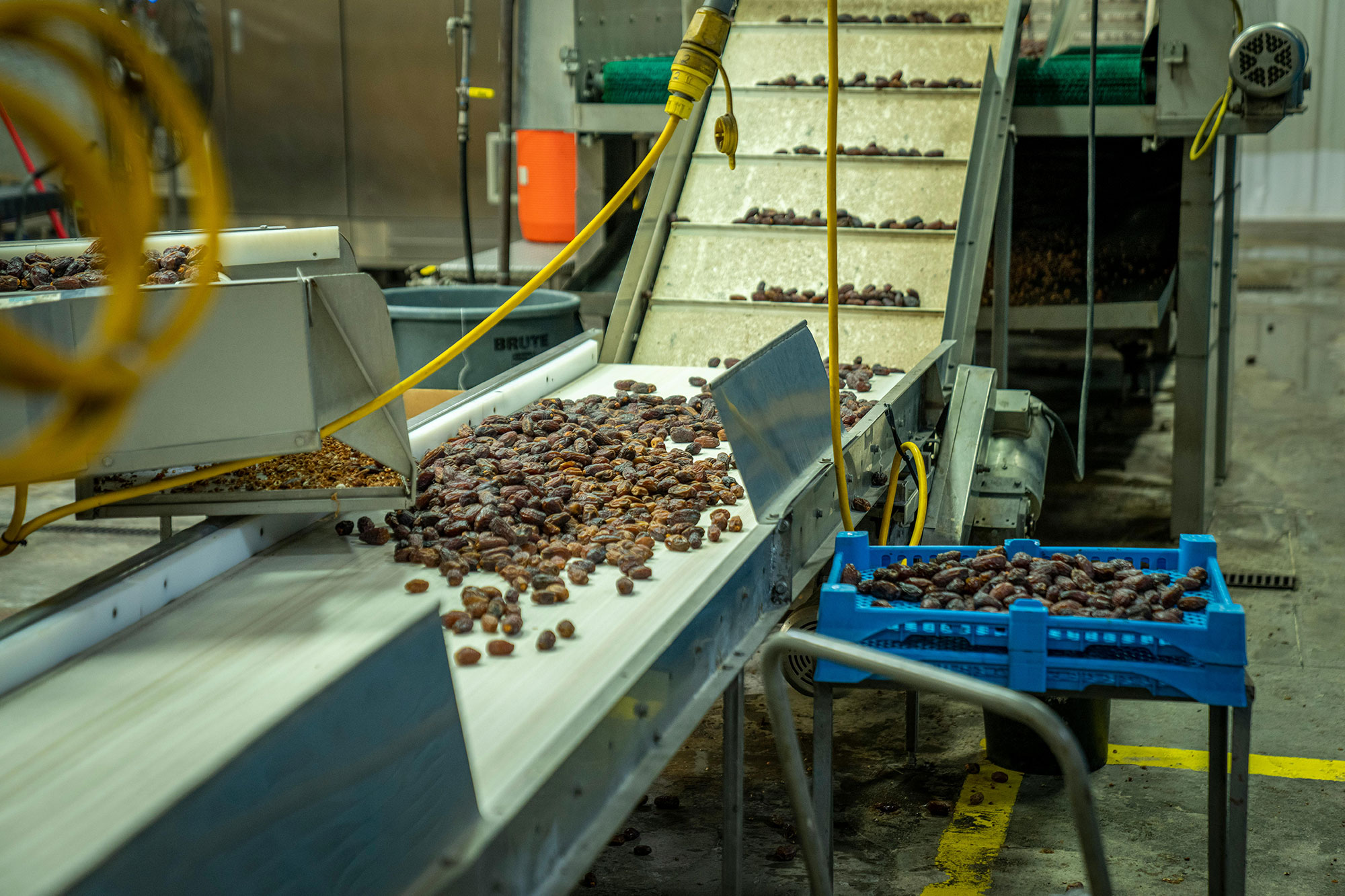
In food processing, the lubrication issue is more about regulations than technical needs. External lubricants are not allowed near open food-contact areas, and aggressive washdowns wash away any lubrication applied elsewhere in the facility.
Dry-running composite bushings remove the need for lubrication management, eliminate the risk of lubricant contamination, and show acceptable chemical compatibility with common cleaning agents and repeated moisture exposure. When bronze remains a specification for food processing, continued use of metal bushings usually reflects tradition rather than current technical needs.
Hydraulic Cylinder Pin Joints and Linkage
Hydraulic cylinders are internally lubricated, but the external pivot points and linkages connecting them to the load are not. These points face high loads and oscillating movement, quickly leading to boundary lubrication conditions in metal bushings.
Dry-running composite bushings resist galling under load changes, stay operational when external lubrication is low, and do not require service as frequently as bronze bushings in similar positions. This has been a consistently preferred application for composite specifications among cylinder rebuilders and hydraulic manufacturers.
Marine and Offshore Equipment
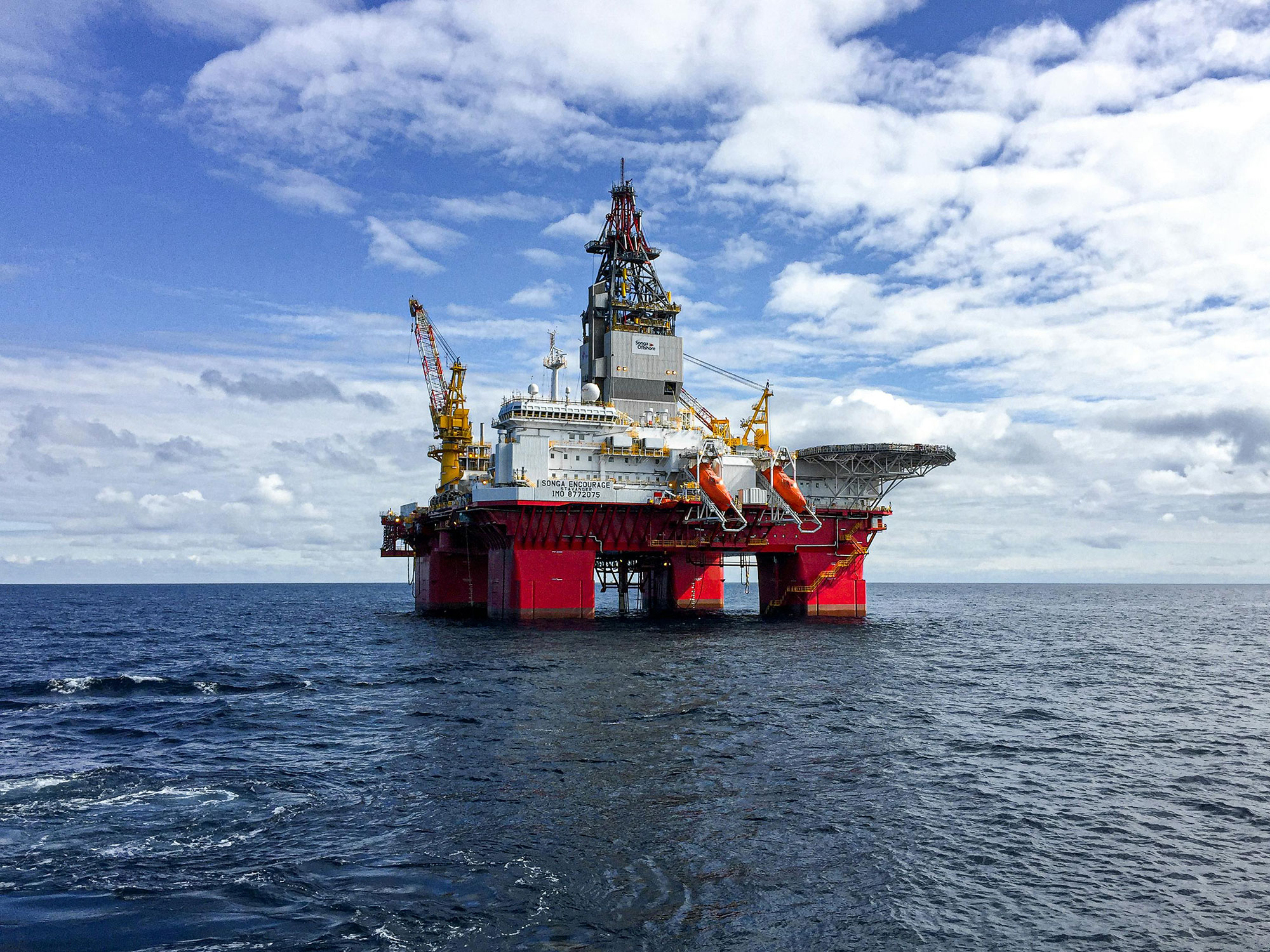
Marine applications show where dry-running composites greatly outperform metal alternatives. Saltwater causes corrosion, and external lubricants risk washout and are increasingly subject to regulations on hydrocarbon discharge in marine environments.
Composite bushings do not corrode, do not release lubricants into the water, and perform well across the typical loads and temperatures found in deck machinery, rudder bushings, and propulsion linkages. The selection of grade, typically TA200 or TA300, depends on load profile, shaft material, and chemical exposure.
Industrial Automation and Robotics
Precision equipment demands specific bushing friction characteristics. External lubricants in automation applications attract dirt, unevenly distribute over time, and change friction as they age. These factors can undermine positioning accuracy and output consistency.
Dry-running composite bushings keep a consistent friction coefficient over long service intervals, do not attract contamination, and do not show aging-related friction changes. These features are usually implied in specifications for automation bushings rather than explicitly stated.
Total Cost of Ownership
A dry-running composite bushing costs more upfront than a bronze sleeve of similar size. Relying on unit cost alone will often lead to incorrect specifications.
The right comparison is the total cost of the bearing location over its service life. This includes labor for scheduled lubrication, costs from unplanned downtime due to lubrication failures, shaft damage and repair costs after metal bushing failure, and contamination or compliance costs in regulated settings. In most industrial bearing locations, these costs far exceed the difference in component prices.
For procurement and maintenance teams, the main case is a reduction in failure frequency, less maintenance work, and a service life that is less affected by how lubrication is actually applied in the field. This is a type of value that metal bushings cannot provide at any price point.
Specifying the Right Bushing
Choosing composite over metal is often the less critical decision. Selecting the right composite grade determines if the specification performs as expected throughout its service life.
The key factors are:
- PV value. Load times surface speed. Each composite grade has defined operating limits. Published PV curves show optimal conditions; a conservative approach is best, especially for applications with shock loading or edge loading.
- Temperature range. PTFE-filled composites (TA100) and graphite-filled composites (TA200) behave differently with heat. MoS₂-filled grades (TA300) offer better shock and contamination resistance. TA400 extends the PV limit for higher-duty uses.
- Mating shaft. Composite bushings can handle variation in shafts, but shaft finish and hardness affect how well the transfer film forms. A hardened, ground shaft surface is better than a turned mild steel surface.
- Chemical compatibility. Cleaning supplies, process fluids, and environmental chemical exposure should match specific grade compatibility data. Composite chemical behavior is different from that of metal.
- Fit and clearance. Composite thermal expansion differs from metal bushings. Interference fits should be calculated based on the composite grade, not carried over from a metal-bushing standard.
A qualification checklist for these variables should be normal practice in any technical sales discussion for this product. It sets apart a specification that solves a problem from one that creates a new issue.
Summary
Dry-running composite bushings are best for applications where external lubrication is inconsistent, impractical, or not allowed. In these cases, they offer the most reliable long-term specification.
When ongoing bushing failures are linked to lubrication-related maintenance issues, considering a composite specification should be the next step.
Specification support. For grade recommendations tailored to specific applications, send load, speed, environmental, and shaft details to tribotechcomposites.com/contact. Samples of TA100, TA200, TA300, and TA400 are available for testing on request.